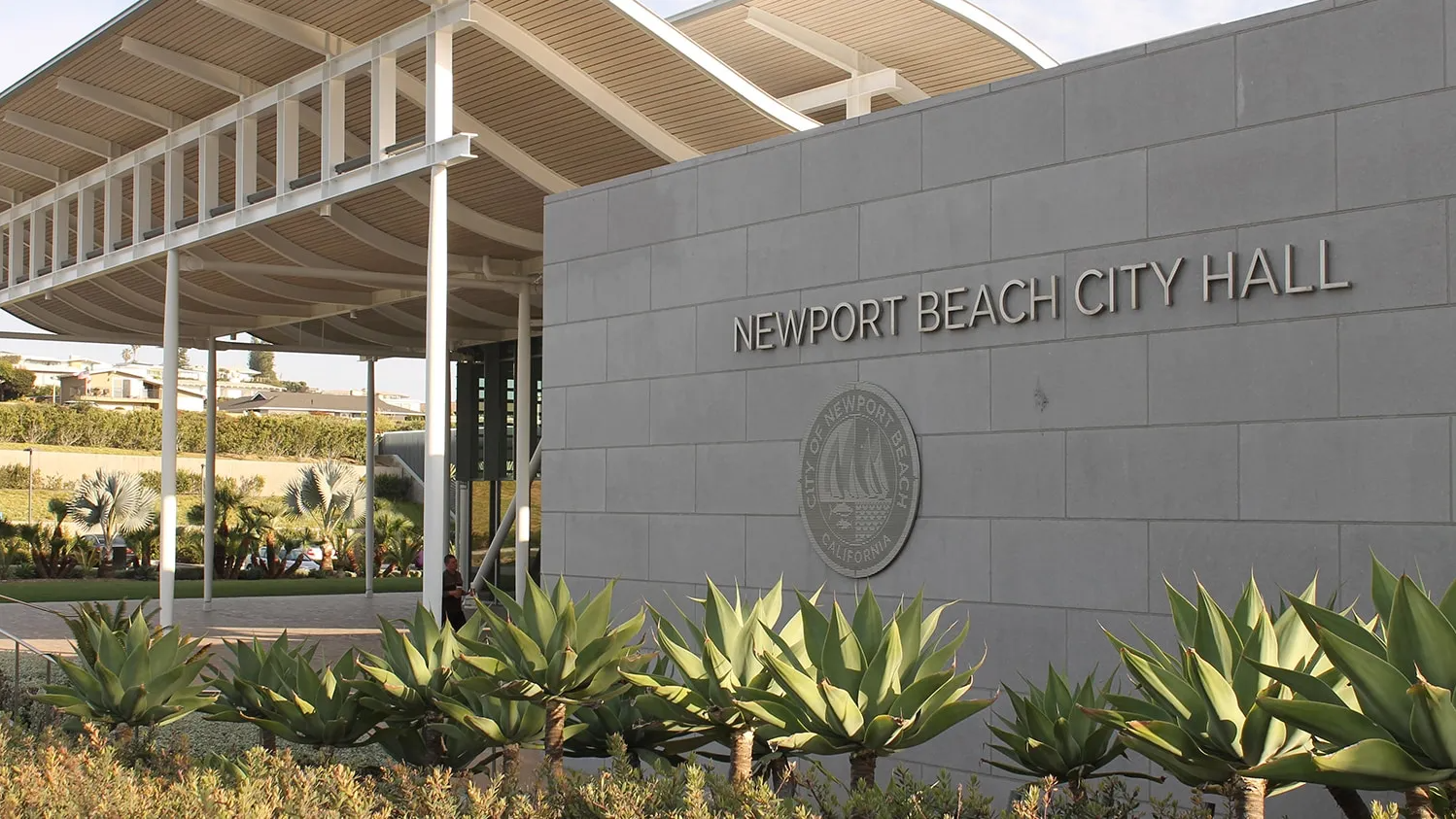
City Council Approves Safety Enhancement Ordinance – What Happened, What It Means, and What to Do Next
NBSTRA engaged throughout this process – including working directly with the City Attorney’s Office and participating at the hearing – and we want to give members a clear, practical summary of the bad, the good, and what happens now.
Executive Summary
The bad: Council adopted the ordinance with the “shall revoke” (mandatory revocation) language still in the text. That increases risk for permit holders and property managers – even when you do everything right – because a guest can be the bad actor while the operator faces the most severe consequence: loss of the permit.
The good: The intent language NBSTRA pushed for is in the staff report and is now part of the legislative history. That matters. It can be used as a real defense if the City ever tries to revoke a permit, including in an administrative hearing and, if needed, in court.
Also good: We saw meaningful engagement – owners and managers emailed Council, several spoke from the dais, and NBSTRA Executive Director Jeff Flint spoke as well. That kind of participation is exactly why NBSTRA exists.
The Bad: Mandatory “Shall Revoke” Creates Real Exposure
The ordinance passed with mandatory revocation language intact. The practical problem is simple: it can create a scenario where the guest breaks the rules, but the host and/or property manager receives a harsher penalty (revocation of the STLP permit) than the person who actually committed the violation.
NBSTRA has been consistent on this point: Newport Beach should target bad actors and protect neighborhoods – but policy needs to distinguish between:
a truly irresponsible operator, and
a responsible operator who screened carefully and acted in good faith but was deceived or faced a guest who refused to comply.
That distinction is still not as clear in the ordinance text as it should be.
The Good: The “Intent” Language Is Now on the Record – and That’s Not Small
While the ordinance text still has black & white “shall revoke” provisions, the staff report now includes clarifying intent language that Council acknowledged and adopted into the public record.
For members, here’s the plain-English significance:
When rules are written broadly, the City’s legislative record (staff reports + Council statements) is what helps define how the ordinance is supposed to be applied. If enforcement ever goes too far, you can point to the official record and say: “That’s not what Council intended.”
This gives owners and managers a stronger foundation to defend themselves in:
an administrative hearing (permit suspension/revocation), and
potentially litigation, if it ever came to that.
It’s not a perfect shield – but it is meaningful protection, and it happened because NBSTRA engaged, stayed credible, and kept pushing for clarity.
Thank You: Member Engagement Made a Difference
We want to thank everyone who emailed Council and/or showed up to speak. Even when Council votes unanimously, member participation:
reinforces that responsible operators support public safety,
puts practical concerns on the record, and
helps shape how the City implements and enforces the policy.
That is exactly the kind of engagement that strengthens the STLP program long-term.
Next Steps: Everyone Needs to Be on Their “A” Game
With mandatory revocation now in the ordinance, the practical reality is this:
1) Screening is important, but it isn’t enough – manage the stay
Screening matters. Do ID check on reservation. Screen the guests. Verify the person booking the reservation will be there. Switch to in-person check-in and again verify the responsible adult signing the lease is there. Instruct guests on the house rules and City codes.
But that’s not enough: you also need active oversight during stays, especially during holiday and Safety Enhancement periods:
Confirm the responsible adult stays present as required
Stay alert to party indicators and occupancy creep
Enforce quiet hours, noise rules, and no-underage-drinking expectations
Intervene early when something looks off
2) Document everything – religiously
If you ever end up in front of a hearing officer, the difference between keeping and losing a permit may be your documentation:
screening steps taken
communications with guests
warnings issued and corrective actions demanded
local response actions and timestamps
vendor logs (security, noise monitoring, inspections, etc.)
3) Respond immediately – every time
If there is an incident, respond within the time limits in the ordinance – without exception. Treat it like a compliance drill: fast response, clear communication, and a written record of what you did and when you did it. Work with the code enforcement or police officers at the scene of any incident and get them to document your compliance as well.
4) Know the effective date
The ordinance takes effect 30 days after adoption. That means you should assume the new rules are operational by late March and start tightening procedures now.
How NBSTRA Will Help
NBSTRA is planning to schedule best-practices sessions for members focused on compliance under the new rules – including screening, stay management, response protocols, and documentation systems that actually hold up if you’re challenged.
We’ll share dates and registration details as soon as they’re finalized.
Why This Reinforces the Value of NBSTRA
This vote underscores why the Alliance matters:
policies can move quickly,
the ordinance language can be rigid, and
responsible operators need a credible, organized voice that can engage City leadership and put protections on the record.
If you’re a permit holder or management company and you’re not yet a member, we strongly encourage you to join NBSTRA. The stronger our membership, the more effective we are at protecting a workable STLP program while supporting a safe and welcoming Newport Beach.